 EN
EN
Core Components of a Diving Mask and Their Functions
Breaking Down the Key Features of Diving Mask Anatomy
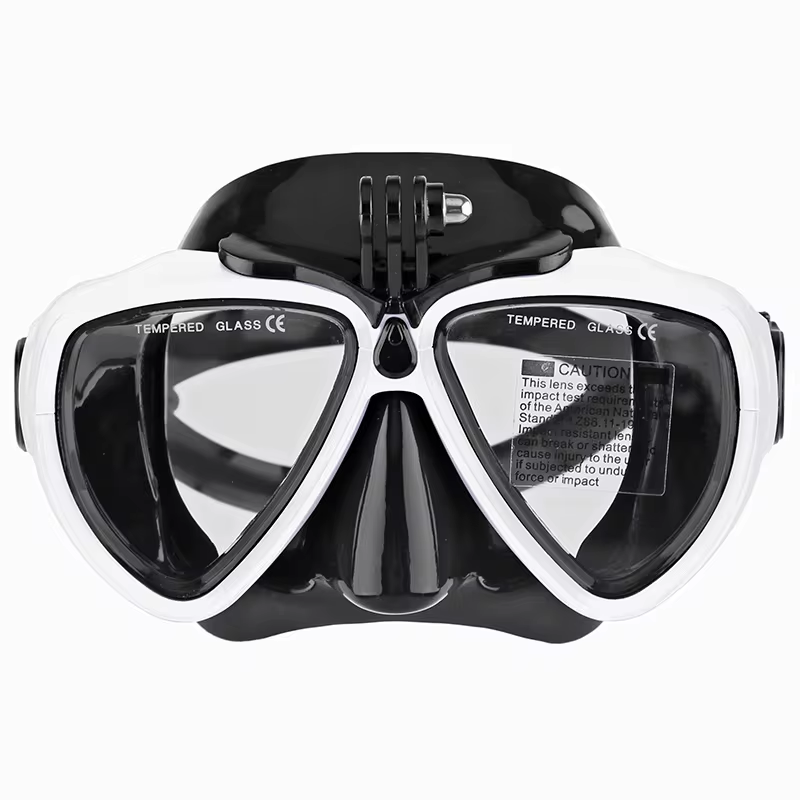
When it comes to diving masks, there are basically five main parts that matter most: lens, skirt, frame, strap, and buckle. These components all affect how well the mask works underwater. The silicone skirt is probably the most important part because it forms a tight seal against the face, adapting to different shapes and sizes. Tempered glass lenses are another key feature since they don't get scratched or cracked easily during dives. Looking at recent data from the Diving Gear Materials Report released this year, silicone seems to beat out both PVC and regular rubber when it comes to staying flexible and lasting longer. Tests showed that masks with silicone skirts had about 60% fewer leaks compared to other materials, which makes a big difference for divers who want to stay dry below the surface.
How Air Space and Lens Design Enable Clear Underwater Vision
The air pocket between your eyes and the lens counteracts water's light-refracting properties, restoring natural vision clarity. Curved lenses minimize distortion, and low-volume designs reduce the air needed to equalize pressure during descent, enhancing comfort and control underwater.
Understanding Light Refraction and the Necessity of a Diving Mask
Water bends light 1.33 times faster than air, blurring human vision. Masks reintroduce an air layer, allowing light to refract correctly. Without this, underwater objects appear 25% closer and 33% larger than they actually are—making masks essential even in clear conditions for accurate visual perception.
Main Parts of a Diving Mask: Lens, Skirt, Frame, Strap, and Buckle
- Lens: Tempered glass ensures safety and optical accuracy.
- Skirt: Hypoallergenic silicone prevents leaks and accommodates diverse face shapes.
- Frame: Reinforced polymer balances rigidity and lightweight performance.
- Strap/Buckle: Quick-adjust systems simplify fit customization mid-dive while minimizing slippage, improving overall reliability during use.
These components work together to address challenges like pressure changes, light distortion, and environmental wear, ensuring a secure, comfortable, and functional diving experience.
Lens Design and Optical Performance for Underwater Clarity
Single, double, and low-volume lenses: Visibility and fit considerations
Masks with just one lens give divers the best side vision possible, though they need stronger frames to hold everything together properly. Masks with two lenses create a separate area around the nose which cuts down on fogging problems. Then there are those smaller volume masks where the inside air space stays below 100 cubic centimeters. These tend to cut through water better and make it simpler to balance pressure when diving deeper. Some research from optical engineers back in 2022 showed something interesting too. They discovered that these compact designs actually fix issues with distorted images at the edges by about 18 percent, making what divers see much clearer all across their field of view.
Prescription and corrective lenses for divers with vision needs
For divers who need help seeing underwater, there's a range of options out there. Integrated diopter lenses come in strengths from +1 to +8 and just slot right into most mask frames without messing with the watertight seal. Some folks go for temporary fixes like those bonded optical inserts or adhesive film attachments when they're trying different masks. But many still stick with good old tempered glass because it stands up better to scratches over time. Considering almost 30 percent of recreational divers wear corrective lenses, it's no surprise that these modular systems are becoming increasingly popular among the diving community.
Tinted and mirrored lenses: Enhancing visibility in varying light conditions
| Lens Type | Best For | Light Reduction |
|---|---|---|
| Amber Tinted | Blue Water | 50% |
| Mirror-Coated | Surface Glare | 70% |
| Clear | Cave/Night Dives | 0% |
Mirrored lenses excel in tropical environments by reflecting 85% of surface sunlight while maintaining full-spectrum transmission underwater, optimizing contrast and visual comfort.
Tempered glass vs. plastic: Safety, durability, and optical clarity
Tempered glass can handle about 2.5 times more pressure than polycarbonate, reaching up to 3 atmospheres, and provides nearly perfect visibility without distortion at around 99.4%. Most professionals stick with glass because plastic lenses just don't cut it in harsh environments. Only about 12% of top quality masks actually use plastic, mainly because they scratch so easily, particularly when divers get caught in salty ocean water where sand and grit are always lurking. Every material used has to meet strict safety requirements like EN 168 or ISO 18523-2 standards for impact resistance. These aren't just numbers on paper either. They translate to real protection against accidental impacts underwater, which is why serious divers know their gear needs to pass these tests before hitting the depths.
Skirt, Seal, and Comfort: Achieving a Leak-Free Fit
Understanding the key features of diving mask components like the skirt and seal ensures comfort and prevents leaks during dives. Modern designs blend advanced materials and ergonomic engineering to address common underwater challenges.
Silicone Skirts and Hypoallergenic Materials for Prolonged Comfort
Over 80% of mid-tier and premium masks now feature silicone skirts due to their flexibility and hypoallergenic nature. Unlike older rubber versions, silicone conforms comfortably to facial contours without irritation, even during extended dives. Dual-density variants combine soft sealing edges with firmer inner cores to maintain shape under pressure.
Dual-Edge Skirt Design and Facial Conformity for Secure Sealing
Dual-edge skirts have tapered rims that compress progressively against the skin, forming redundant seals that adapt to subtle facial movements. This design reduces leakage by up to 40% compared to single-seal skirts, particularly benefiting divers with prominent brow ridges or light facial hair.
Proper Mask Fit Techniques to Prevent Leaks and Pressure Discomfort
- Perform an inhale test without the strap: The mask should stay suctioned to your face using only air pressure
- Check skirt alignment across the forehead groove and cheekbones
- Avoid over-tightening straps, which deforms the skirt and increases facial fatigue
Facial Compatibility and Seal Integrity Across Different Face Shapes
| Face Shape | Skirt Design | Fit Assurance |
|---|---|---|
| Oval | Symmetrical medium skirt | Even pressure distribution |
| Angular | Stepped contour skirt | Bridges jawline gaps |
| Round | Wide elliptical skirt | Prevents cheek pinching |
Adjustable buckles and heat-moldable silicone options allow personalized tension adjustments, helping divers achieve optimal seal integrity regardless of facial structure.
Frame and Structural Design: Balancing Volume, Fit, and Durability
The frame and structural design of a diving mask directly influence its underwater performance, comfort, and longevity. As one of the key features of diving masks, this component ensures stability while accommodating diverse facial shapes and diving conditions.
Flexible vs. Rigid Frames: Impact on Comfort and Low-Volume Performance
Flexible frames constructed from soft silicone bend around different face shapes and help prevent sore spots when diving for extended periods. On the flip side, rigid frames made of polycarbonate hold their shape even under water pressure but can be pretty uncomfortable for people who have strong cheekbones or prominent noses. Many low volume masks go with flexible designs because they leave less empty space inside, which makes it easier to equalize ear pressure and gives divers a wider view underwater. Most experienced divers will tell you this matters a lot when navigating tight spaces or checking equipment.
Ergonomic Shaping to Minimize Dead Space and Improve Balance
Ergonomically contoured frames follow natural facial curves, eliminating gaps where water or air pockets could form. This precision reduces drag and improves weight distribution, supporting neutral buoyancy—especially important during drift dives. Some advanced models feature asymmetric shaping to better accommodate variations in cheekbone height and facial symmetry.
Material Innovations in Modern Diving Mask Construction
Modern masks integrate tempered glass lenses with lightweight composite frames to balance strength and maneuverability. Silicone-skirt hybrids reinforced with thermoplastic elastomers (TPEs) resist deformation beyond 40 meters. These innovations reduce leakage rates by 33% compared to traditional designs, and antimicrobial coatings help prevent fogging and bacterial buildup over time.
Strap, Buckles, and Nose Pocket: Functionality for Adjustment and Equalization
Silicone vs. Nylon Straps: Grip, Longevity, and Underwater Reliability
Most modern diving masks come with silicone straps because they just work better in salt water and don't slip around on wet faces. Nylon material tends to soak up water and stretch out over time, but silicone holds up really well against these issues. Studies from the Marine Materials Institute back this up, showing silicone keeps about 98% of its tightness even after spending over 500 hours submerged in salt water. Sure, nylon might be lighter weight, but when divers go deeper or experience rapid pressure shifts underwater, nylon simply doesn't perform as reliably as silicone does. That's why professional divers and recreational enthusiasts alike keep going back to silicone for those long dives where equipment failure isn't an option.
Quick-Adjust Buckles: Ease of Fit and Removal During Dives
Single-handed quick-release buckles are now standard, enabling divers to adjust fit without removing gloves. Constructed from marine-grade polymers, these corrosion-resistant mechanisms reduce mask displacement by 40% compared to older screw-based systems, based on field testing data.
Nose Pocket Design and Its Role in Effective Ear Equalization
The integrated nose pocket allows divers to perform the Valsalva maneuver by pressing their nostrils through the silicone skirt. This function is crucial for managing pressure during descent, with 72% of dive professionals citing proper nose pocket placement as the top factor in preventing middle-ear barotrauma, per the DAN 2023 Report.
Supporting the Valsalva Maneuver Through Integrated Mask Functionality
Ergonomically angled nose pockets promote neutral head positioning, reducing jaw strain during repeated equalizations. High-end models include textured surfaces on the exterior for enhanced tactile control—particularly valuable in cold water where glove use limits finger sensitivity.
FAQ
What are the main components of a diving mask?
The main components are the lens, skirt, frame, strap, and buckle.
Why is silicone preferred for diving mask skirts?
Silicone is preferred because it's flexible, hypoallergenic, and forms a superior seal that adapts to different face shapes.
How do tinted and mirrored lenses help during dives?
Tinted and mirrored lenses enhance visibility by reducing glare and adjusting light transmission based on different underwater conditions.
What is the Valsalva maneuver and why is it important?
The Valsalva maneuver is a technique used to equalize ear pressure during descent by pinching the nose and blowing gently. It's crucial to prevent ear barotrauma.
Table of Contents
- Core Components of a Diving Mask and Their Functions
- Lens Design and Optical Performance for Underwater Clarity
- Skirt, Seal, and Comfort: Achieving a Leak-Free Fit
- Frame and Structural Design: Balancing Volume, Fit, and Durability
- Strap, Buckles, and Nose Pocket: Functionality for Adjustment and Equalization
- FAQ