 EN
EN

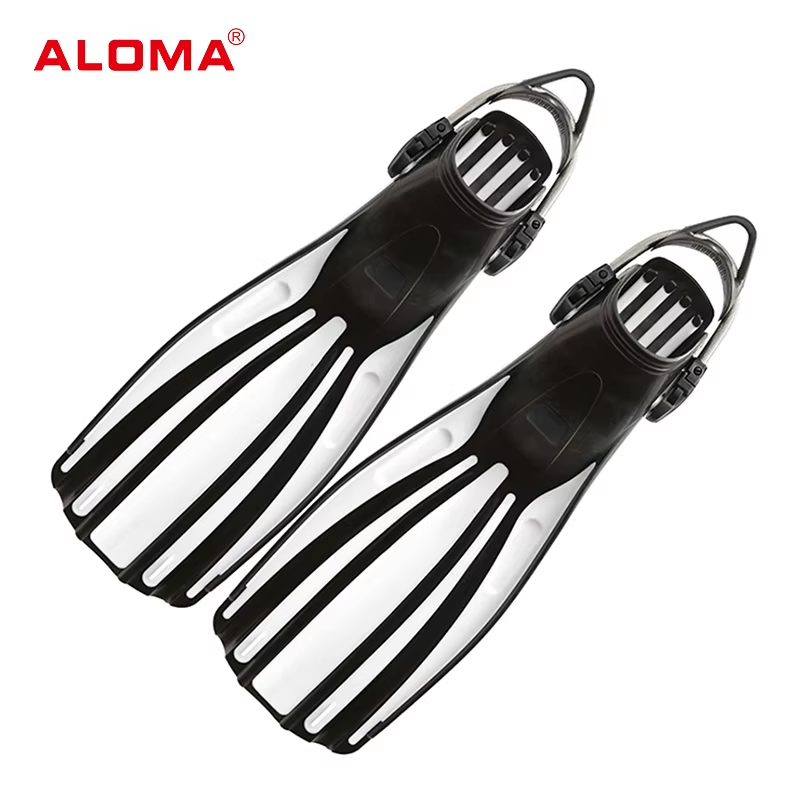
Core Differences Between Lightweight and Heavy-Duty Swim Fins
Material and construction: How build quality defines fin category
Modern lightweight fins are made with polymer materials such as thermoplastic elastomers, which can cut down their weight anywhere between 40 to 50 percent when compared to old school rubber versions according to the Wave-China Diving Equipment Report released last year. On the other hand, those heavy duty fins used by serious divers incorporate multiple layers including carbon fiber cores encased in either silicone or vulcanized rubber so they can handle the intense 220 psi pressures encountered on technical dives. The way these different types are constructed basically determines whether we're talking about those bendy little blades people use for snorkeling around the beach versus the long stiff ones that professionals rely on deep underwater where every movement counts.
Blade stiffness, flexibility, and hydrodynamic design variations
| Characteristic | Lightweight Fins | Heavy-Duty Fins |
|---|---|---|
| Blade Length | 20–25 inches | 28–32 inches |
| Flex Point | Near foot pocket | Mid-blade reinforcement |
| Kick Efficiency | 850–1,100 gals/min* | 1,400–1,800 gals/min* |
| Best For | Snorkeling, surface swimming | Currents > 3 knots |
| *Water displacement measurements at 25 kicks/minute |
Stiffness directly impacts energy transfer: heavy-duty fins convert 78% of kick force into forward motion, compared to 52% in lightweight models (PADI, 2022). Premium heavy fins with bifurcated blade designs also reduce leg fatigue by 33% during extended dives.
Impact of blade design on propulsion efficiency and water displacement
Fins with longer blades actually push about 42 percent more water during each kick cycle, though swimmers need much stronger legs just to stay balanced. Heavy duty models often feature those swept wing shapes that direct water sideways, which really helps when fighting against currents from the side. On the flip side, most recreational fins are built with vertical flex for people who aren't as strong in their flutter kicks. But this design comes at a cost - studies show around 29% of energy gets lost because water shoots upwards instead of propelling forward. Makes sense why serious divers invest in better equipment for efficiency gains underwater.
Material composition across performance tiers: From polymer to composite
At the entry level, polymer fins costing under $80 typically rely on single density materials which strike a reasonable balance between staying afloat and lasting through regular use. Moving up to mid range options priced between $80 and $200, we see manufacturers start layering different rubber densities onto polypropylene frames for better performance. The top end stuff, anything above $300 really, gets interesting with carbon fiber strips built into the blades. These strips create varying levels of stiffness across the fin surface, something originally developed for those fancy America's Cup racing sails. This kind of flexible design helps technical divers control their position in the water column much better while still being able to push out around 300 Newtons of force. To put that into perspective, it's like trying to swim when there's a pretty strong 6 knot current working against them.
Performance Comparison: Propulsion, Efficiency, and Water Conditions
How fin stiffness affects power transfer during the kick cycle
Blade rigidity determines energy conversion efficiency. Stiffer heavy-duty fins transmit 89% of leg force to forward propulsion during the downward kick phase, versus 67% in flexible lightweight models, based on propulsion performance research. This makes rigid fins ideal for strong swimmers with proper technique.
Hydrodynamic efficiency in calm vs. strong currents
In flatwater conditions, lightweight fins create minimal drag (1.2N resistance at 2m/s), outperforming stiff fins (3.8N resistance). However, heavy-duty fins deliver 30% greater thrust in choppy seas and strong currents due to reinforced side rails that prevent blade collapse during powerful kicks.
- Key data: Heavy-duty fins generate 30% more thrust than lightweight models in high-resistance environments
Risk of overpowering: Why stiff fins may hinder beginner swimmers
Swimmers who kick less than 15 times a minute usually have trouble with stiff fins, their feet just slide sideways and they end up wasting all that effort. According to research from a swim clinic last year, nearly two thirds (68%) of beginner divers using hard fins felt sore calves after only 20 minutes in the water, whereas only about a third (29%) had similar issues with fins that bent a bit. Soft fins actually work better for those slower kicking styles because they help keep the direction steady without needing such forceful movements.
Best Use Cases: Matching Fin Type to Activity and Environment
Lightweight Fins for Recreational Diving and Travel Convenience
Weighing 1.2–1.8 lbs per pair, lightweight fins are ideal for casual diving and travel. Their compact, flexible design reduces leg fatigue during snorkeling or reef exploration and improves maneuverability in tight spaces. Many travel models feature collapsible or split-blade designs that pack easily without sacrificing performance in calm waters.
Heavy-Duty Fins for Technical Diving and Challenging Water Conditions
Heavy-duty fins (2.5–4 lbs per pair) provide the stiffness needed for deep dives and strong currents, translating 18–30% more kick force into forward motion. Extended blades and reinforced rails ensure consistent propulsion under heavy scuba loads, making them optimal for wreck diving, drift dives, and free-diving below 20 meters.
Real-World Performance Across Snorkeling, Training, and Rescue Operations
- Snorkeling: Lightweight fins dominate, with 74% of users reporting easier surface swimming
- Fitness Training: Mid-weight hybrids offer balanced resistance for lap swimming and endurance drills
- Rescue Scenarios: Heavy-duty models enable rapid response in surf zones, where blade rigidity prevents power loss during towing maneuvers
Matching fin type to activity ensures peak performance and minimizes fatigue—critical for both recreation and professional operations.
Skill Level and Training Impact: Choosing the Right Fin for Your Ability
Beginner Needs: Flexibility and Comfort Over Raw Power
New divers benefit most from lightweight fins designed for comfort. Flexible blades reduce leg fatigue by 40% compared to stiff alternatives (Diverightinscuba, 2023), supporting the development of proper kicking technique. Overly rigid fins can strain calf muscles and disrupt buoyancy control, hindering early skill acquisition.
Advanced Users: Precision, Control, and Mission-Specific Demands
For technical divers and those involved in underwater rescue work, heavy duty fins are pretty much a necessity when it comes to getting around in tough conditions. According to research from ScubaTech Philippines back in 2023, these specialized fins can actually produce about 30 percent more thrust with each kick compared to regular ones, which makes all the difference when dealing with lots of equipment or needing to move quickly upwards through the water column. Sure, using them takes more physical effort and proper technique is definitely important, but most seasoned divers find that the extra power they get from these fins totally worth the initial adjustment period once they get used to how they work.
Training Benefits: Building Strength and Technique With Resistance Fins
Intermediate swimmers often use semi-rigid fins to develop leg strength and improve kick symmetry—key factors in reducing oxygen consumption underwater. Progressively stiffer blades help bridge skill gaps, allowing divers to adapt to challenging conditions without compromising form.
Case Study: Elite Military Divers’ Use of Composite-Blade Heavy-Duty Fins
Specialized units favor composite-heavy fins for missions requiring explosive acceleration and sustained speed. These designs balance rigidity and responsiveness, enabling precise maneuvers in turbulent water—a clear demonstration of how advanced blade engineering meets extreme operational demands.
Long-Term Value: Durability, Fit, and Functional Design
Balancing comfort and performance in fin fit and strap design
How comfortable something feels over time really matters when it comes to usability. The lighter fins on the market tend to focus on those soft foot areas and have those adjustable straps that make them easier to put on and take off without getting tired so quickly. For people who want more power when they're swimming against currents, there are heavier duty options with firmer heel sections and those rubbery buckles that won't slip around. But let's be honest, wearing these all day can sometimes leave your ankles feeling pretty sore. Most of the big name brands are mixing flexible materials with specific reinforcement spots in their higher end products. This approach gives swimmers the best of both worlds comfort during casual use but still delivers solid performance when needed.
Durability showdown: Lightweight portability vs. heavy-duty resilience
The heavy duty fins constructed from reinforced composite materials stand up much better against reef damage and constant pressure, typically lasting around three to four times longer than standard polymer blades. While lighter weight options do offer replaceable straps and modular parts as compensation, they tend to develop those annoying micro cracks in the blades after just over 100 hours spent in saltwater environments. According to stress testing results, these tougher fins maintain about 94 percent of their original strength even after 500 hours of use, whereas the lighter models only manage around 67 percent structural integrity by then. For anyone spending serious time underwater, this difference matters quite a bit when it comes to equipment reliability.
Pros and cons of each fin type in extended-use scenarios
- Heavy-duty pros: Withstand rocky entries/exits, stable in surge conditions
- Heavy-duty cons: 23% heavier (avg. 4.1 lbs/pair), less convenient for travel
- Lightweight pros: Dry 40% faster, better suited for multi-location dive trips
- Lightweight cons: Blade warping occurs 2.5x faster under sustained load
Training programs report 19% fewer replacements over 18 months when using heavy-duty fins, yet 22% of participants switch to hybrid models for casual diving—highlighting that the best long-term choice depends on dive frequency and environmental demands.
FAQ
What are the main differences between lightweight and heavy-duty swim fins in terms of material?
Lightweight fins are primarily made from thermoplastic elastomers, reducing their weight significantly compared to rubber versions. On the other hand, heavy-duty fins consist of multilayer materials like carbon fiber cores encased in silicone or rubber, designed to withstand high pressures.
How do blade designs affect swim fin performance?
Blade designs greatly influence water displacement and propulsion efficiency. Longer blades in heavy-duty fins propel more water and are suited for strong currents, whereas lightweight fins feature vertical flex designs that are ideal for weaker swimmers but can result in energy loss.
Which type of swim fin is best for beginner swimmers?
Beginner swimmers often benefit from lightweight fins which offer comfort and flexibility, reducing leg fatigue and aiding in developing kicking techniques. Heavy-duty fins may overpower beginners leading to soreness and inefficiency.
Are heavy-duty swim fins suitable for travel and casual diving?
Due to their heavier weight and greater stiffness, heavy-duty swim fins are less convenient for travel but are better for challenging water conditions. Lightweight fins are more portable and suitable for casual or multi-location diving.
How does fin stiffness impact swimming efficiency?
Heavy-duty stiff fins transfer a higher percentage of kick force into propulsion compared to flexible lightweight fins, making them ideal for skilled swimmers in strong currents. However, they might hinder beginners due to the effort required.
Table of Contents
- Core Differences Between Lightweight and Heavy-Duty Swim Fins
- Performance Comparison: Propulsion, Efficiency, and Water Conditions
- Best Use Cases: Matching Fin Type to Activity and Environment
- Skill Level and Training Impact: Choosing the Right Fin for Your Ability
- Long-Term Value: Durability, Fit, and Functional Design
-
FAQ
- What are the main differences between lightweight and heavy-duty swim fins in terms of material?
- How do blade designs affect swim fin performance?
- Which type of swim fin is best for beginner swimmers?
- Are heavy-duty swim fins suitable for travel and casual diving?
- How does fin stiffness impact swimming efficiency?