 EN
EN
Конструкция линз и оптическая четкость в ключевых характеристиках маски для дайвинга
Одинарная или двойная линза: обзор и структурная целостность
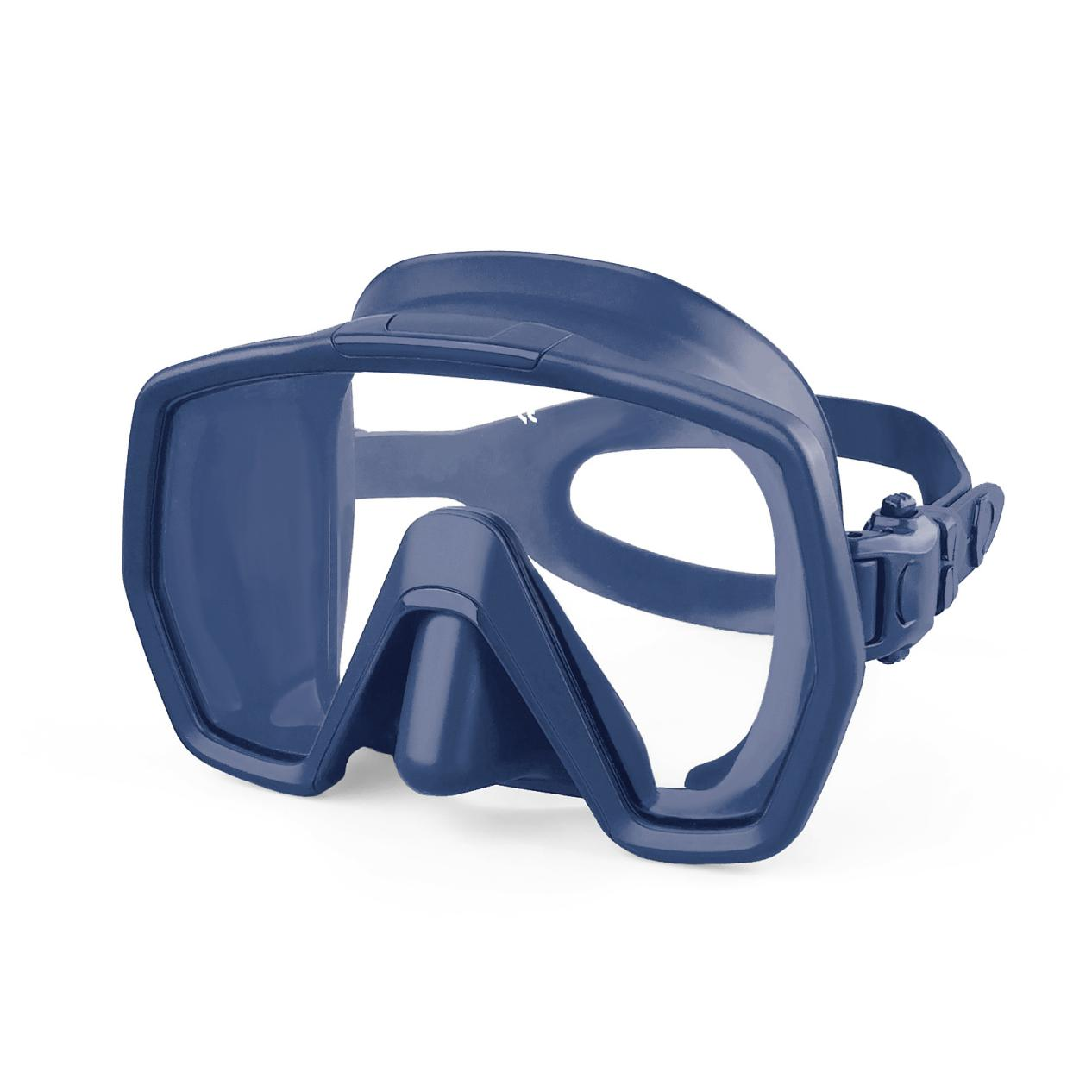
Маски для дайвинга с одной линзой обеспечивают водолазам четкое обзорное поле в 180 градусов по поверхности воды, что особенно полезно при попытке заметить рыбу и других существ вокруг коралловых рифов. Модели с двойной линзой имеют две пластины закаленного стекла, и, согласно последним испытаниям, проведенным специалистами Diving Optics в 2023 году, такие маски выдерживают давление лучше — примерно на 19 процентов прочнее, чем модели с одной линзой. Тем не менее, дополнительные линзы связаны с определенными компромиссами. Усиленные рамы, необходимые для двойных линз, делают маску тяжелее примерно на пять-восемь процентов по сравнению с бескаркасными моделями с одной линзой. Для многих любителей дайвинга этот дополнительный вес может быть оправдан улучшенной четкостью изображения, однако технические дайверы зачастую предпочитают более легкие маски с одной линзой, несмотря на несколько более узкое поле зрения.
Закаленное стекло, защита от УФ-излучения и антибликовые покрытия
Современные маски оснащены закалённым стеклом толщиной 3–5 мм, которое разрушается на тупые осколки — на 86 % безопаснее стандартного стекла по стандарту ANSI Z87.1-2023. Модели премиум-класса имеют покрытия с защитой от УФ400, снижающие блики на поверхности на 40 %, а также многослойные антибликовые покрытия, улучшающие цветопередачу на глубине до 10 м.
Технология защиты от запотевания и работа в условиях слабого освещения
Плёнки с термоскреплением предотвращают запотевание более чем на 50 погружений без использования химических спреев — важное преимущество в холодной воде, где перепады температуры вызывают быстрое конденсирование. Маски, оптимизированные для условий слабого освещения, усиливают остаточные сине-зелёные длины волн на 22 %, компенсируя потерю 72 % красного спектра на глубине 20 м.
Варианты линз с диоптриями для ныряльщиков с плохим зрением
Магнитные диоптрические вставки (-8,0 до +8,0) совместимы с 92% масок с двойными линзами и обеспечивают герметичность. Согласно опросу 2023 года, 68% дайв-центров теперь предлагают аренду масок с диоптриями, что снижает зависимость от корригирующих очков. Модульные системы позволяют заменять линзы менее чем за 90 секунд, однако такие модели в среднем на 30% дороже.
Силиконовые и резиновые юбки: прочность и совместимость с кожей
Силиконовые юбки занимают 78% рынка (Отчет о состоянии индустрии дайвинга 2023), их предпочитают благодаря гипоаллергенным свойствам и устойчивости к разрушению морской водой. Хотя резина лучше работает при экстремальных температурах, она вызывает раздражение кожи у 42% пользователей при длительном использовании по сравнению всего с 6% при использовании медицинского силикона.
Обеспечение надежного уплотнения для различных форм лица
Одна и та же юбка не подходит всем типам лица. Сужающиеся края и асимметричные контуры повышают герметичность на 89% для ныряльщиков с высокими скулами или узкой нижней челюстью (Исследование океанографической эргономики, 2022). Регулируемые перемычки подходят для более широкой переносицы, характерной для 30% дайверов.
Проблемы с усами и длинными волосами при герметизации
Волосы на лице создают микропромежутки, нарушающие герметичность — 62% бородатых дайверов сталкиваются с затеканием воды в маску на глубине 20 метров (Университет морских технологий, 2021). Эффективные решения включают двухслойные юбки, сжимающиеся вокруг волосяных фолликулов, гидрофобные покрытия для отталкивания избыточной влаги и широкие височные ремни, предотвращающие попадание длинных волос при регулировке.
Двухкомпонентные юбки: инновация в комфорте и адаптивности
Передовые юбки сочетают мягкие (30 по Шору) внутренние слои с жесткими (60 по Шору) внешними зонами. Гибкий внутренний слой повторяет контуры лица, в то время как жесткая внешняя часть сохраняет герметичность при изменении глубины. Полевые испытания показали, что этим моделям требуется на 55% меньше подстроек, особенно при погружениях с несколькими уровнями глубины.
Конструкция рамы и каркаса: баланс прочности и комфорта
Рама маски определяет как долговечность, так и комфорт, причем современные конструкции делают акцент на прочности каркаса, одновременно минимизируя нагрузку на челюсть. Более 68% профессиональных дайверов указали дизайн рамы как главный фактор комфорта при длительном ношении (опрос оборудования для дайвинга, 2023 год).
Маски с рамой и без рамы: компактность и устойчивость к давлению
Маски с рамой используют жесткие полимерные края для усиления соединения между стеклом и юбкой, обеспечивая превосходную устойчивость на глубинах ниже 40 метров. Модели без рамы исключают эту жесткую конструкцию, уменьшая объем на 30% и расширяя периферическое зрение, однако повышают напряжение в стекле при погружениях на большой глубине или в холодной воде.
Эргономичная геометрия и распределение веса для длительного использования
Изогнутые юбки и сужающиеся рамки равномерно распределяют вес по лбу и скулам, предотвращая точки давления во время погружений продолжительностью более 60 минут. Ведущие производители применяют вычислительную гидродинамику для снижения сопротивления на 22% в сильных течениях, что подтверждено гидродинамическими исследованиями 2024 года.
Производительность при глубоких погружениях: устойчивость к ударным нагрузкам и долговечность
Маски, предназначенные для технического дайвинга, оснащены линзами из закалённого стекла толщиной 6–8 мм и рамами из отожжённой стали, способными выдерживать давление на глубине 50 метров. Конфигурации с малым внутренним объёмом дополнительно повышают производительность, уменьшая смещение плавучести на 17% по сравнению с традиционными конструкциями (Журнал инженерии дайвингского оборудования, 2023).
Ремень, застёжка и система регулировки
Современные дайвинговые маски уделяют особое внимание системам ремней и застёжек, обеспечивающим надёжную посадку без ущерба для комфорта.
Силиконовые и эластичные ремни: долгосрочный комфорт и долговечность
Силиконовые ремешки доминируют в премиальных моделях благодаря устойчивости к соленой воде и более длительному сохранению эластичности — до трех раз по сравнению с эластичными аналогами. Несмотря на первоначально более низкую стоимость, эластичные ремешки деградируют на 40% быстрее под воздействием ультрафиолета, согласно испытаниям долговечности морского оборудования.
Микрорегулируемые застежки и предотвращение давления в точках контакта
Микрорегулируемые застежки позволяют управлять натяжением одной рукой, снижая давление на лицо до 58% по сравнению с фиксированными системами. Исследования подтверждают, что застежки с храповым механизмом и двойным углом зубьев обеспечивают наиболее стабильное сцепление при изменяющемся гидростатическом давлении.
Замена ремешков без инструментов: тенденции в проектировании, ориентированном на пользователя
Системы замены без инструментов позволяют дайверам менять ремешки менее чем за 15 секунд — важная функция при устранении износа или повреждений в отдаленных местах. Этот переход к модульным, легко обслуживаемым компонентам отражает растущий спрос на надежное и удобное снаряжение.
Носовой карман, выравнивание давления и функциональность малого объема
Покрытие носа и воздушное пространство для эффективного выравнивания давления в ушах
Хорошо спроектированный карман для носа позволяет дайверам зажимать нос во время манёвра Вальсальвы, что имеет важное значение для выравнивания давления в среднем ухе при погружении. Модели с оптимальным объёмом воздуха (<30 см³ для взрослых) способствуют эффективной эквализации, сохраняя при этом стабильность прилегания маски к лицу.
Сбрасывающие клапаны: преимущества и ограничения при удалении воды
Сбрасывающие клапаны позволяют удалять воду путем вынужденного выдоха, что удобно для начинающих дайверов. Однако повышенная механическая сложность увеличивает риск поломок — 19% сообщают о засорении после 50 и более погружений (исследование снаряжения для дайвинга, 2023 г.), особенно в соленой воде.
Интегрированное зажатие носа против традиционных карманов: эволюция дизайна
| Особенность | Интегрированное зажатие | Традиционный карман |
|---|---|---|
| Точность эквализации | Снижение движений лица | Требуется полный захват носа |
| Обслуживание | Нет движущихся частей | Деградация карманного шва |
| Требования к посадке | Требуется точное совпадение формы | Подходит для большего количества форм |
Преимущества масок малого объема в плавучести и маневренности
Маски малого объема (<80 см³ внутреннего пространства) минимизируют сжатие воздуха на глубине, уменьшая необходимость частого продувания. Их компактная форма также улучшает гидродинамику, снижая сопротивление на 22% при скорости 2 узла по сравнению со стандартными моделями.
Часто задаваемые вопросы
В чем разница между однолинзовыми и двухлинзовыми масками для дайвинга?
Однолинзовые маски обеспечивают более четкое обзорное поле 180 градусов, что идеально подходит для наблюдения за окружением, тогда как двухлинзовые маски обладают большей структурной прочностью — примерно на 19% выше при давлении, но немного тяжелее.
Как закалка и покрытия на масках для дайвинга повышают безопасность?
Закаленное стекло разрушается на тупые осколки, снижая риск травм на 86%. Покрытия UV400 и антибликовые покрытия улучшают видимость и точность цветопередачи под водой.
Доступны ли рецептурные линзы для масок для дайвинга?
Да, магнитные диоптрические вставки доступны для многих масок с двойными линзами и подходят для диапазона от -8,0 до +8,0 диоптрий.
Почему силикон предпочтительнее резины для юбок масок для дайвинга?
Силикон предпочтителен благодаря своим гипоаллергенным свойствам и устойчивости к разрушению морской водой, тогда как резина может вызывать раздражение кожи и хуже работает при экстремальных температурах.
Какие преимущества дают маски малого объема?
Маски малого объема облегчают выравнивание давления, улучшают контроль плавучести и уменьшают сопротивление, повышая маневренность под водой.
Содержание
- Конструкция линз и оптическая четкость в ключевых характеристиках маски для дайвинга
- Силиконовые и резиновые юбки: прочность и совместимость с кожей
- Обеспечение надежного уплотнения для различных форм лица
- Проблемы с усами и длинными волосами при герметизации
- Двухкомпонентные юбки: инновация в комфорте и адаптивности
- Конструкция рамы и каркаса: баланс прочности и комфорта
- Ремень, застёжка и система регулировки
- Носовой карман, выравнивание давления и функциональность малого объема
-
Часто задаваемые вопросы
- В чем разница между однолинзовыми и двухлинзовыми масками для дайвинга?
- Как закалка и покрытия на масках для дайвинга повышают безопасность?
- Доступны ли рецептурные линзы для масок для дайвинга?
- Почему силикон предпочтительнее резины для юбок масок для дайвинга?
- Какие преимущества дают маски малого объема?