 EN
EN

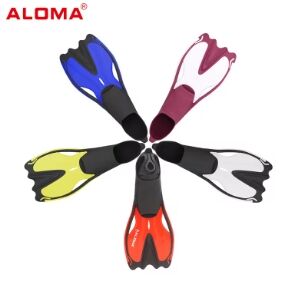
Understanding Diving Fins: Function, Design, and Key Performance Factors
The Role of Diving Fins in Propulsion and Energy Efficiency
When using diving fins, swimmers get way better thrust for their leg movements, cutting down on energy use somewhere around 30 to 40 percent compared to just flailing around without them. The secret lies in how these kicks translate upward motion into actual forward progress through the water. Some research into body mechanics suggests that curved blades actually boost energy transfer efficiency by as much as 27 percent when dealing with. For most weekend divers, they tend to cruise along at about 1 to 1.5 meters per second without breaking a sweat, but those serious tech divers care more about maintaining steady power output rather than hitting top speeds, since long dives require consistent energy management throughout.
How Fin Design Impacts Hydrodynamics and Diver Maneuverability
Blade geometry significantly affects performance:
- Shorter, stiffer blades offer precision in confined environments like coral reefs
- Longer, flexible blades maximize glide efficiency during drift dives
Channeled vents reduce water resistance by 18–22%, improving control in crosscurrents. Modern ribbed blade patterns, inspired by marine mammal flukes, increase acceleration response by 15% over flat designs.
Key Factors: Fin Stiffness, Blade Length, and Kick Efficiency Across Dive Types
| Factor | Warm Water Diving | Cold Water/Technical Use |
|---|---|---|
| Stiffness | Medium (2.5–3.5 Nm/deg) | High (4–5 Nm/deg) |
| Blade Length | 60–75 cm | 50–65 cm |
| Optimal Kick | Flutter | Frog/Modified Scissor |
Freedivers require highly responsive blades with minimal lag (<0.3 seconds), while wreck divers value durability across 200+ dives. Composite materials—such as carbon fiber cores with silicone edges—offer 37% greater durability than traditional rubberized designs, balancing flex and resilience.
## Full-Foot vs. Open-Heel Fins: Choosing Based on Fit and Environment

### Design and structure of full-foot diving fins
Full-foot fins have a closed, shoe-like design that eliminates the need for booties, making them ideal for warm-water diving and travel due to their lightweight construction. They provide direct power transfer but lack adjustability, requiring precise fit to prevent discomfort during flutter kicks.

### Advantages of open-heel diving fins for variable conditions
Open-heel fins use adjustable straps and neoprene boots, offering adaptability across water temperatures and entry types. A 2024 Diving Equipment Configuration Study found divers using open-heel systems required 17% fewer corrective kicks in currents than those using full-foot models, enhancing stability during rocky shore entries and cold-water or drift dives.

### Warm water vs. cold water use cases and boot compatibility
Full-foot fins are best suited for tropical snorkeling and pool training, where thermal protection isn't needed. Open-heel systems accommodate 3–7mm boots for dives below 55°F (13°C). Wearing a 5mm boot typically requires sizing up one fin size to maintain proper alignment and kick efficiency.

### Buoyancy, fit, and comfort considerations in fin selection
Poorly fitted fins can disrupt body trim by up to 15°, affecting hydrodynamics. Full-foot models demand accurate sizing to avoid pressure points, while open-heel users must balance strap tension to prevent circulation issues. Divers completing 20+ dives annually report 62% higher satisfaction with modular open-heel systems.
Paddle, Split, and Vented Fins: Comparing Core Fin Technologies
Paddle Fins: Power and Simplicity for Recreational Diving
Paddle fins feature solid, uninterrupted blades that deliver 90% of kick energy as thrust, making them ideal for recreational divers seeking straightforward propulsion. Constructed from heavy-duty rubber or thermoplastic, they are durable in reef environments and favored for their simplicity and reliability.
Split Fins: Efficiency and Reduced Fatigue in Long-Distance Kicking
Split blades reduce drag during the recovery phase, lowering leg muscle fatigue by 40% compared to paddle fins. Their flexible design channels water laterally, supporting sustained kicking during long drift dives or snorkeling sessions.
Vented and Channel Fins: Enhanced Control in Strong Currents
Vents near the blade base stabilize turbulent flow during forceful kicks, improving directional control by 30% in currents over 2 knots. Channeled edges further refine hydrodynamic precision, benefiting advanced divers navigating complex terrain.
Materials Used in Diving Fins: Plastic, Fiberglass, and Carbon Fiber
- Thermoplastic (60% of recreational fins): Affordable with moderate flexibility
- Fiberglass-reinforced polymer: 25% lighter than standard plastic while maintaining stiffness
-
Aerospace-grade carbon fiber: Delivers twice the energy return of conventional materials, preferred in technical diving
Carbon fiber blades respond 0.3 seconds faster during frog kicks than polymer alternatives, enhancing responsiveness under demanding conditions.
Hybrid and Technical Fins: Advanced Designs for Specialized Diving
Hybrid Fin Performance in Technical and Cave Diving Scenarios
Hybrid fins combine stiff central blades with flexible sides to handle what tech divers need down in caves. Most folks who dive in these tight spaces actually modify their flutter kicks somehow, and tests show these special fins can push out around 7 newtons of force each time someone kicks at about a 70 degree angle. Some computer models have found something pretty interesting too these hybrid designs cut down on leg tiredness by nearly 20 percent compared to regular paddle fins when someone spends 90 minutes simulating a cave dive. That kind of difference matters a lot when exploring those underwater tunnels for hours on end.
Low-Profile Vented Fins: Why Cave Divers Prefer Precision Over Power
Cave divers favor low-profile vented fins for their precision, with 83% selecting this type for tight passages. These fins offer a 0.2-second braking response, critical when visibility drops within three seconds. Rear vents manage water flow without relying on blade rigidity, allowing 360° awareness in restrictions as narrow as 0.6 meters.
Durability and Responsiveness of Technical Diving Fins Under Stress
Technical fins endure three times more impact than recreational models during wreck penetrations. Tests show carbon-fiber-reinforced fins retain 94% of their original responsiveness after 500 simulated wall collisions. Despite their robustness, they add only 1.68 N of drag at 80° angles—key for maintaining position in currents above 1.5 knots.
Matching Diving Fins to Your Style, Skill, and Environment
Recreational, Technical, and Freediving: Fin Selection Criteria by Discipline
Fins must align with dive discipline: recreational divers benefit from mid-flexibility paddle fins for comfort and maneuverability; technical divers rely on stiff, often carbon fiber blades to handle strong currents and bulky gear; freedivers choose ultra-long, lightweight fins to optimize glide efficiency during breath-hold descents.
Beginner to Expert: How Skill Level Influences Fin Choice
New divers tend to do much better with shorter, more flexible polymer fins since they help cut down on leg tiredness when learning those fundamental kicking techniques. As people get more experienced, many switch to split or vented fin designs that really boost how fast they can move through the water. According to some research published by Divers Alert Network last year, swimmers using these special fins saw their kick cycles speed up by around 22%. For the pros out there, modular fin systems are pretty common stuff now. A recent industry poll found that nearly seven out of ten certified instructors tweak their fin blades depending on what kind of diving they're doing that day.
Travel-Friendly Fins and Modular Systems for Adaptable Diving
Compact split fins with detachable straps pack 34% smaller than traditional paddle fins, making them popular among traveling divers. Quick-release buckles and convertible foot pockets allow seamless transitions between barefoot use and 7mm boots, maintaining balance across tropical and temperate zones.
Trend: Increasing Adoption of Hybrid and Adaptive Fin Technologies
Hybrid fins—featuring split blades with ventral channels—now represent 41% of new fin sales, combining acceleration and directional control. Adaptive systems with swappable blade inserts (offering flex ranges from 10° to 35°) are increasingly used in technical diving, enabling customization for tasks like cave navigation versus offshore salvage.
FAQs
What are the main types of diving fins?
The main types of diving fins include full-foot, open-heel, paddle, split, vented, and hybrid fins. Each type is designed for specific conditions and preferences.
How do I choose between full-foot and open-heel fins?
Full-foot fins are best for warm water diving and are lightweight. Open-heel fins are adjustable and better suited for cold water and rocky entry points.
What materials are used in diving fins?
Diving fins are typically made from thermoplastic, fiberglass-reinforced polymer, and aerospace-grade carbon fiber, each offering different levels of flexibility and durability.
Why are split fins preferred for long-distance diving?
Split fins reduce drag during the recovery phase and lower leg muscle fatigue, making them ideal for sustaining long-distance kicks.
What factors should I consider when selecting fins for technical diving?
Consider durability, stiffness, and materials. Technical divers often prefer carbon fiber fins for their durability and responsiveness under stress.
Table of Contents
- Understanding Diving Fins: Function, Design, and Key Performance Factors
- Paddle, Split, and Vented Fins: Comparing Core Fin Technologies
- Hybrid and Technical Fins: Advanced Designs for Specialized Diving
- Matching Diving Fins to Your Style, Skill, and Environment
- Recreational, Technical, and Freediving: Fin Selection Criteria by Discipline
- Beginner to Expert: How Skill Level Influences Fin Choice
- Travel-Friendly Fins and Modular Systems for Adaptable Diving
- Trend: Increasing Adoption of Hybrid and Adaptive Fin Technologies
- FAQs