 EN
EN
Clear Visibility: The Foundation of Safe and Effective Diving
Importance of Clear Visibility in Diving for Hazard Detection
Clear visibility through a Diving Mask enables divers to detect hazards such as entanglement risks, sudden depth changes, or unusual marine life behavior. In low-visibility conditions, reaction times to avoid collisions drop by 32% (Divers Alert Network [DAN] 2023), highlighting the essential role of optical clarity in dive safety.
How Poor Visibility Increases Accident Risks Underwater
Impaired vision from fogged or scratched masks contributes to 62% of buddy separation incidents and 41% of uncontrolled ascents (DAN 2023). Outdated mask designs with narrow fields of view limit peripheral awareness, increasing the risk of entanglement in kelp forests or wreck dives.
Case Study: Near-Miss Incidents Linked to Mask-Related Vision Impairment
A 2023 study of 147 recreational divers in Palau found that 22% experienced near-misses due to mask issues. One diver with a poorly maintained mask failed to see their dive computer’s decompression stop alert, ascending prematurely and requiring oxygen therapy.
Trend: Adoption of Anti-Reflective and Wide-Angle Lens Technologies in Modern Diving Masks
Modern masks now feature wide-angle lenses (up to 180° horizontal view) and anti-reflective coatings that reduce glare by 70% in sunlit conditions. These advancements respond to the 58% increase in low-light diving expeditions reported in 2023.
Strategy: Choosing a Diving Mask With Optimal Field of View and Optical Clarity
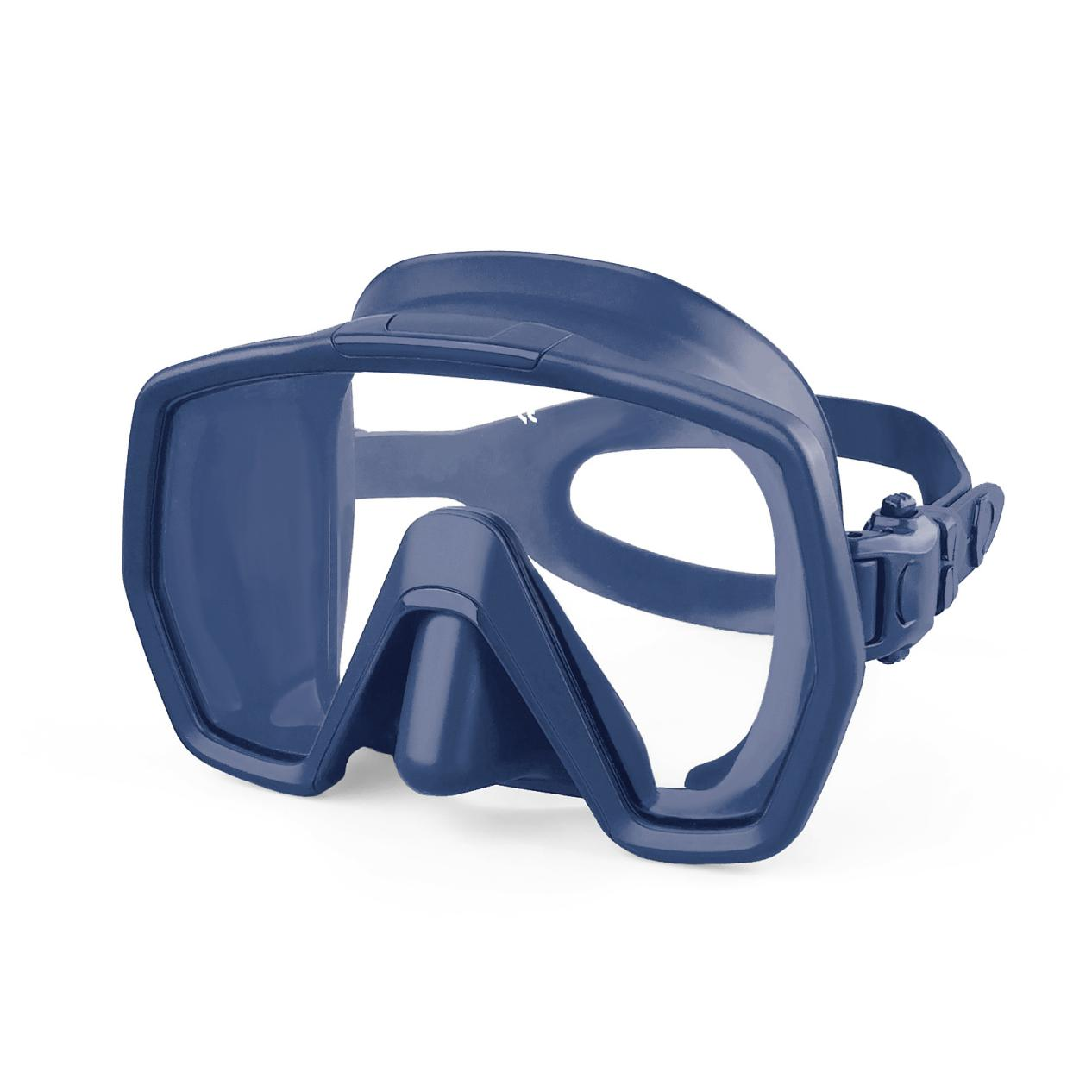
Choose masks with:
- Optically flat lenses (distortion-free)
- Silicone skirts that conform to facial contours
- Adjustable strap systems to prevent slippage
Test fit in a pool before open-water use, checking for edge distortion and seal integrity during head turns.
Fog Prevention and Advanced Defogging Solutions for Diving Masks
Science Behind Mask Fogging: Condensation and Surface Tension on Diving Mask Lenses
Fogging occurs when warm breath vapor condenses on the cooler inner lens surface. Surface tension forms light-scattering droplets, impairing vision. A 2021 Thin Solid Films study showed untreated lenses retain 83% more droplets than coated surfaces, increasing distortion during critical maneuvers.
Effective Defogging Techniques Using Natural and Commercial Solutions
Saliva offers short-term relief but loses effectiveness after 20–30 minutes. Commercial defogging gels with surfactants reduce droplet cohesion, maintaining clarity for 60–90 minutes. Eco-conscious divers may use diluted baby shampoo as a reusable alternative, though it requires more frequent reapplication.
Innovations in Anti-Fog Coatings and Their Long-Term Efficacy
Hydrophilic nano-coatings spread moisture into a transparent film, preventing fog buildup. Recent trials of silica-based coatings show 94% fog reduction sustained over 200+ dives, outperforming traditional polymer treatments. Avoid abrasive cleaning tools, as they degrade even durable nano-layers.
Controversy Analysis: Permanent Anti-Fog vs. Reapplication-Dependent Methods
The debate continues between permanent “set-and-forget” coatings and reapplication methods. While convenient, permanent treatments often fail within 18 months–68% according to a 2022 gear survey–due to UV exposure and salt corrosion. Reusable defoggers offer reliable performance but require carrying solutions mid-dive.
Best Practices for Preventing Fog Buildup Before Every Dive
- Rinse masks with fresh water to remove salt and sand that degrade coatings
- Apply defogger to dry lenses using circular motions for even coverage
- Never wipe the inner lens–pat gently with a microfiber cloth if needed
- Store in shaded, ventilated cases to prevent microbial growth
Proper preparation extends anti-fog efficacy by 40%, per DAN safety guidelines.
Comfort, Fit, and Seal: Reducing Discomfort and Enhancing Safety
Ergonomic Design Features That Reduce Facial Pressure and Prevent Leakage
Modern masks use anatomical shaping and dual-skirt designs to evenly distribute pressure. Tapered edges at the brow and cheeks minimize contact points while maintaining watertight seals, crucial during sudden movements or depth shifts.
Role of Silicone Skirt Quality in Comfort and Reliable Seal Performance
High-grade hypoallergenic silicone (0.7–1.2mm thickness) balances flexibility and durability for better facial conformity. Medical-grade silicone reduces red marks by 63% compared to standard materials, based on manufacturer testing.
Prevention of Jaw Fatigue and Dry Mouth Through Proper Diving Mask Fit
Ill-fitting masks force jaw clenching to maintain seal integrity, causing fatigue and restricted airflow. Correct nose pocket placement avoids pressure on the nasal bridge, while optimal skirt tension allows natural mouth breathing without jaw strain.
Data Insight: Survey Results on Diver Discomfort Related to Mask Fit (PADI, 2022)
A PADI survey of 1,200 recreational divers found 41% ended dives early due to mask issues–primarily jaw fatigue (27%) and leaks (34%). Divers using ergometric fit systems made 58% fewer mid-dive adjustments than those with traditional models.
Safety Implications of Improper Fit: Risks of Flooding and CO₂ Buildup
Poor seals increase flood risk during inverted positions or regulator retrieval. Excessive facial compression can restrict blood flow, contributing to underwater headaches. Hyperbaric tests show CO₂ retention increases by 19% in masks requiring jaw clenching, potentially accelerating nitrogen narcosis.
Full Face Diving Masks: Advantages and Considerations for Modern Divers
Benefits of Full Face Diving Masks in Communication and Breathing Stability
Full face masks integrate communication systems, allowing divers to relay information without removing mouthpieces. By separating breathing pathways from the visual field, these masks reduce jaw fatigue and improve oxygen efficiency during long dives.
Full Face Mask Benefits for Technical Divers During Deep or Extended Dives
For technical dives beyond 30 meters, full face masks ensure consistent gas delivery and minimize air loss. Their sealed design prevents water entry during complex tasks, while integrated regulators simplify equipment handling in poor visibility.
Comparative Analysis: Traditional vs. Full-Face Mask Performance in Cold Water
In cold water, full-face models insulate the entire face, reducing heat loss through exposed skin. A 2023 gear study found users reported 40% less fogging and 30% faster thermal recovery compared to standard masks.
Controversy Analysis: Risk of CO2 Retention With Certain Full-Face Diving Mask Models
Some full-face designs have raised concerns about CO₂ buildup due to inadequate exhalation paths. A 2022 safety audit found certain models increased CO₂ levels by 15% during high-exertion dives. Newer versions address this with improved venting systems.
Strategy: Selecting Full-Face Masks With Redundant Air Pathways and Voice Diaphragms
Choose models with dual exhaust valves and anatomical voice diaphragms for clear communication and efficient gas exchange. Prioritize those tested to EN15333-1 standards, which verify airflow rates above 160 liters per minute to prevent CO₂ accumulation in demanding conditions.
Maintenance and Longevity: Caring for Your Diving Mask
Best practices for rinsing, storing, and inspecting mask components post-dive
Rinse your Diving Mask in fresh water for 30–60 seconds after each dive to remove salt and debris. Store in padded cases away from sunlight, keeping silicone skirts unfolded to prevent creasing. Weekly inspections should check for:
- Hairline cracks near buckles
- Nose pocket seal integrity
- Strap elasticity
Impact of UV exposure and saltwater on silicone and strap durability
UV radiation degrades silicone 43% faster in tropical climates, according to polymer aging studies. Saltwater exacerbates degradation through crystalline abrasion–rinse within two hours of ocean use. Key annual degradation rates:
| Exposure Factor | Annual Degradation Rate |
|---|---|
| UV Only | 12-15% tensile loss |
| Saltwater Only | 18-22% tensile loss |
| Combined | 35-40% tensile loss |
Data insight: Average lifespan of Diving Masks by usage frequency (DAN Report, 2021)
A Divers Alert Network (DAN) study of 4,200 divers revealed replacement intervals vary by dive frequency:
- Casual Divers (≤20 dives/year): 5.2-year average lifespan
- Active Divers (21–60 dives/year): 3.1-year average lifespan
- Professional Divers (>60 dives/year): Replace every 1.8 years
Routine maintenance to preserve anti-fog and optical performance
Use microfiber cloths instead of towels to clean lenses, cutting scratch risk by 78%. Apply manufacturer-recommended defog solutions sparingly–overuse creates residue that clouds vision. Store masks with lenses and skirts separated to prevent compression damage to anti-fog layers.
Frequently Asked Questions
How can I prevent my diving mask from fogging?
To prevent fogging, rinse your mask with fresh water, apply defogger to dry lenses using circular motions, and store it in ventilated cases. Consider using commercial defogging gels for longer-lasting clarity.
Are full-face diving masks better than traditional masks?
Full-face diving masks offer benefits like integrated communication systems and breathing stability, especially during deep or extended dives. However, it's essential to choose a model that addresses CO₂ retention concerns.
What should I look for when choosing a diving mask?
Look for masks with optically flat lenses, silicone skirts that fit facial contours, and adjustable strap systems for comfort and safety. Testing the mask's fit in a pool before going for an open-water dive is recommended.
How often should I replace my diving mask?
The replacement interval depends on usage. Casual divers might replace their masks every 5 years, while professional divers should consider replacing them every 1.8 years due to wear and tear.
Why is optical clarity important in diving?
Optical clarity is vital for detecting hazards underwater, enhancing peripheral awareness, and enabling timely reaction to changes in the marine environment, thereby ensuring diver safety.
Table of Contents
-
Clear Visibility: The Foundation of Safe and Effective Diving
- Importance of Clear Visibility in Diving for Hazard Detection
- How Poor Visibility Increases Accident Risks Underwater
- Case Study: Near-Miss Incidents Linked to Mask-Related Vision Impairment
- Trend: Adoption of Anti-Reflective and Wide-Angle Lens Technologies in Modern Diving Masks
- Strategy: Choosing a Diving Mask With Optimal Field of View and Optical Clarity
-
Fog Prevention and Advanced Defogging Solutions for Diving Masks
- Science Behind Mask Fogging: Condensation and Surface Tension on Diving Mask Lenses
- Effective Defogging Techniques Using Natural and Commercial Solutions
- Innovations in Anti-Fog Coatings and Their Long-Term Efficacy
- Controversy Analysis: Permanent Anti-Fog vs. Reapplication-Dependent Methods
- Best Practices for Preventing Fog Buildup Before Every Dive
-
Comfort, Fit, and Seal: Reducing Discomfort and Enhancing Safety
- Ergonomic Design Features That Reduce Facial Pressure and Prevent Leakage
- Role of Silicone Skirt Quality in Comfort and Reliable Seal Performance
- Prevention of Jaw Fatigue and Dry Mouth Through Proper Diving Mask Fit
- Data Insight: Survey Results on Diver Discomfort Related to Mask Fit (PADI, 2022)
- Safety Implications of Improper Fit: Risks of Flooding and CO₂ Buildup
-
Full Face Diving Masks: Advantages and Considerations for Modern Divers
- Benefits of Full Face Diving Masks in Communication and Breathing Stability
- Full Face Mask Benefits for Technical Divers During Deep or Extended Dives
- Comparative Analysis: Traditional vs. Full-Face Mask Performance in Cold Water
- Controversy Analysis: Risk of CO2 Retention With Certain Full-Face Diving Mask Models
- Strategy: Selecting Full-Face Masks With Redundant Air Pathways and Voice Diaphragms
- Maintenance and Longevity: Caring for Your Diving Mask
- Frequently Asked Questions