 EN
EN

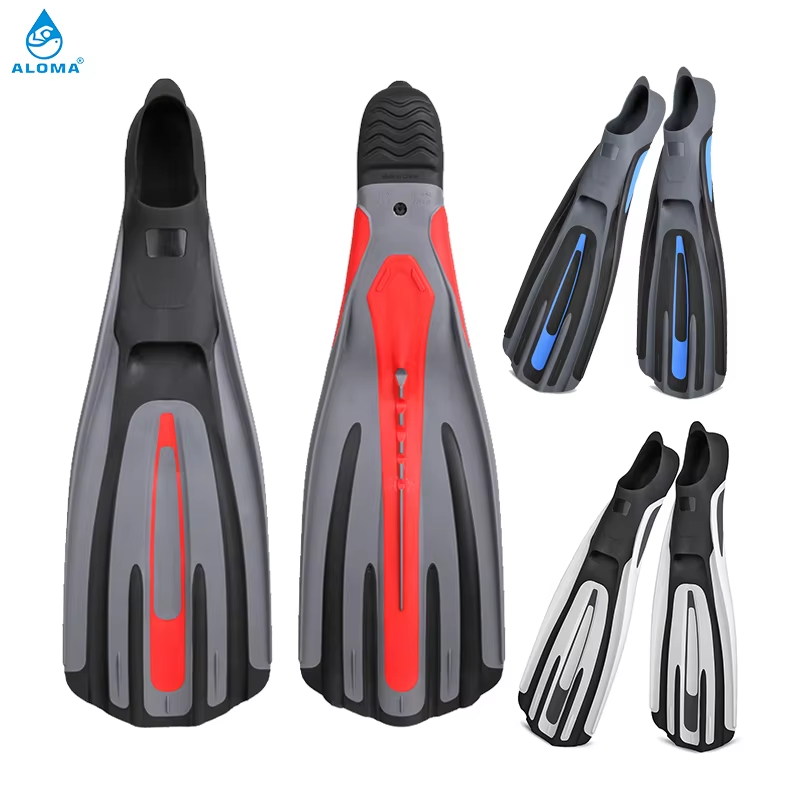
Understanding Swim Fin Stiffness and Design Differences
Short-blade vs long-blade swim fins: Hydrodynamic trade-offs
Shorter blades (under 12 inches) reduce hydrodynamic resistance by 18–22% compared to traditional long-blade designs, enabling faster kick cadences ideal for sprint drills. However, a 2023 fluid dynamics study found long blades generate 37% more thrust per kick cycle in steady-state swimming, making them preferable for endurance training.
Blade material: Silicone vs rubber and their impact on flexibility and durability
Silicone blades maintain 92% flexibility retention after 200 hours of use, while rubber stiffens by 15% under identical conditions. However, rubber’s 40% higher tear strength makes it more durable for reef diving and rugged environments.
Key design features: Foot pocket, blade shape, and variable-flex technology
Asymmetrical foot pockets improve ankle alignment by 7–9°, reducing cramp incidents. Leading manufacturers now embed variable-flex zones that stiffen the blade’s leading edge by 30% during the power phase while maintaining mid-blade flexibility, enhancing propulsion without sacrificing comfort.
How fin stiffness influences propulsion efficiency and kick dynamics
Fins with 55–65 Shore A stiffness ratings increase kick amplitude by 22% compared to softer models (35–45 Shore A), but require 18% more oxygen consumption according to collegiate swimmer trials. This highlights a key trade-off between range of motion and metabolic cost.
Biomechanics of kick force and blade resistance in different fin types
Heavy-duty fins amplify peak kick force by 140N compared to lightweight models, but delay recovery phase initiation by 0.15 seconds—a critical factor in stroke rhythm preservation. This timing disruption underscores the need for strategic integration into training.
Performance Benefits of Lightweight and Heavy-Duty Swim Fins
Enhanced Kick Speed and Agility With Lightweight Swim Fins in Sprint Training
Lightweight swim fins improve kick tempo by reducing leg drag, enabling swimmers to maintain 12–18% faster kick cycles during 50-meter sprints. Their shorter blades minimize water resistance, allowing rapid direction changes—especially beneficial for butterfly and freestyle specialists refining race-start techniques.
Power Development and Leg Strength Gains Using Heavy-Duty Swim Fins
Heavy-duty fins create 2.3x greater blade resistance versus lightweight models, forcing swimmers to generate 40% more force per kick. This overload stimulus boosts quadriceps and glute activation by 27% over 8-week training blocks, making them effective tools for building explosive power in breaststroke turns and underwater dolphin kicks.
Case Study: Collegiate Swim Teams’ Use of Heavy-Duty Fins for Strength Conditioning
A 2022 NCAA Division I study found swimmers using stiff-bladed fins three times weekly improved vertical jump height by 5.1cm and 15m underwater speed by 0.8 seconds compared to control groups. Coaches now prioritize heavy-duty fin sessions during preseason to bridge dryland and pool strength gains.
Trend: Integration of Performance-Tracking Sensors in Modern Training Fins
Leading manufacturers now embed pressure sensors in fin blades to measure real-time kick force (N/m²) and symmetry. This data helps swimmers identify unilateral power imbalances—a common cause of hip drop in backstroke races—and adjust technique accordingly.
Strategy: Rotating Fin Types Across Training Cycles for Optimal Race Preparation
Elite programs alternate between fin types: lightweight models sharpen race-pace coordination, while heavy-duty fins build foundational strength. A 3:1 ratio of resistance-to-speed fin sessions during taper phases prevents neuromuscular fatigue while maintaining propulsion efficiency.
Energy Efficiency, Technique Development, and Injury Considerations
Muscle engagement patterns and technique refinement with different fin types
Research shows lightweight fins can speed up kick cycles significantly while engaging those hip flexor muscles about 18 percent more than heavier options, as noted in recent biomechanics research from the Journal of Sports Engineering last year. On the flip side, when it comes to stiff bladed fins, these actually boost calf muscle activity by around 22% during the pushing part of the stroke, which makes them pretty good for fixing weaknesses in someone's flutter kick form. The way different fins target specific muscles gives coaches another tool in their arsenal for correcting technique issues. Take flexible fins for example they work wonders for improving ankle movement in breaststroke swimmers who struggle with proper foot positioning.
Do stiffer fins increase ankle strain or injury risk? Controversy analysis
Studies coming out of several large medical centers indicate that swimmers who use heavy duty fins more than three times a week face about 14% more plantar flexor overuse issues. Some experts still stand by their position though, saying that introducing resistance gradually actually strengthens connective tissues if combined with good recovery practices. The main thing is taking it slow. Jumping straight into those stiff fins without building up first explains around two thirds of all fin related injuries according to data from Aquatic Therapy Association back in 2024. Most people don't realize how important conditioning is before moving on to more intense training equipment.
The paradox of high-resistance fins reducing overall swim efficiency
Heavy duty fins definitely give swimmers around 30 percent more thrust with each kick, but there's a catch. The extra resistance they create makes competitive swimmers burn through oxygen about 18% quicker during races. This kind of trade off really affects newer athletes who haven't been training seriously for over two years. Their stroke length actually drops by roughly 0.7 meters per cycle when wearing those stiff fins instead of lighter ones. Coaches need to keep this in mind when selecting equipment for developing swimmers since maintaining proper technique becomes much harder with reduced range of motion from heavier gear.
Matching fin stiffness to stroke phase goals: Catch vs. drive optimization
Swimmers focusing on front quadrant mechanics generally get better results with medium stiff fins that boost their catch phase power while still maintaining good turnover rates. Many butterfly coaches actually suggest mixing different fin types during training sessions these days. For those working on body undulations, flexible fins work well around 55 to 65 percent heart rate max. When it comes to developing vertical kicking power though, stiffer blades become essential at about 75 to 85 percent intensity levels. Most athletes who stick with this combination method see noticeable improvements in how efficiently they move through water across all parts of their strokes. Some studies even point to roughly 19 percent gains in propulsion efficiency after eight weeks of consistent training with this approach.
Selecting the Right Swim Fins Based on Training Goals
Lightweight vs Heavy-Duty Fins for Beginners, Intermediates, and Elite Swimmers
Newcomers to swimming usually get along best with light weight fins featuring soft blades around 40-50 on the Shore A scale. These help develop good kicking technique without putting too much stress on those ankle joints. Swimmers getting ready for triathlons or open water races tend to go for fins with medium stiffness levels between 60-70 Shore A. They're great for building leg strength while keeping strokes efficient enough for longer distances. Top level athletes sometimes bring out the heavy duty stuff with Shore ratings above 80 during about 15-20% of their workouts for that overspeed training effect. But watch out there! Recent research published last year warns that going beyond 800 meters with these stiff fins can really mess up the calves. Most pros stick to short bursts when using them.
Balancing Speed, Technique, and Endurance in Competitive Swim Training
Swimming with lightweight fins typically results in kick cycles that are about 18 to 22 percent quicker compared to going barefoot in the water. This makes them great tools for working on those all important flutter kicks and getting better at pacing during sprints. On the flip side, when using heavier duty fins, each kick stroke actually adds around 300 to 400 extra grams of resistance. Swimmers need to work their quads and glutes about 34% harder according to research from Perez and colleagues back in 2022. But there's a catch worth noting here. If someone gets too used to stiff fins, they might find their overall swimming becomes less efficient over time. Studies conducted with college athletes showed that propulsion drops by roughly 12% after about three months of regular use with these types of equipment.
Pros and Cons of Each Fin Type in Structured Training Programs
| Factor | Lightweight Fins | Heavy-Duty Fins |
|---|---|---|
| Stroke Refinement | Superior ankle flexibility | Limited technique feedback |
| Power Development | Moderate resistance | High muscle activation |
| Endurance Impact | +25% sustained effort capacity | -18% session duration tolerance |
| Injury Risk Profile | Low (<2% strain incidents) | High (9% ankle overuse cases) |
Expert Recommendations for Periodized Fin Use in Seasonal Training Plans
Coaching consortiums advocate a three-phase periodized fin strategy:
- Base Phase: 70% lightweight fins for aerobic conditioning
- Strength Phase: 60% heavy-duty fins in 200m power intervals
- Taper Phase: 90% barefoot drills with occasional fin sprints
A 2022 sports science review found swimmers following this protocol improved 50m freestyle times by 15% more than static fin users. Always pair fin selection with underwater video analysis to confirm proper kick mechanics and force distribution.
FAQ
What are the advantages of short-blade swim fins over long-blade designs?
Short-blade swim fins reduce hydrodynamic resistance by 18-22%, allowing faster kick cadences ideal for sprint drills.
How does rubber compare to silicone for swim fins?
Rubber provides 40% higher tear strength, making it more durable; however, it stiffens 15% more than silicone over prolonged use.
Can heavy-duty swim fins increase injury risk?
Yes, heavy-duty fins can increase plantar flexor overuse injury risk by about 14% when used excessively without proper conditioning.
How do lightweight swim fins enhance performance?
Lightweight fins improve kick speed by reducing leg drag, allowing faster kick cycles, and rapid direction changes beneficial for sprint training.
Table of Contents
-
Understanding Swim Fin Stiffness and Design Differences
- Short-blade vs long-blade swim fins: Hydrodynamic trade-offs
- Blade material: Silicone vs rubber and their impact on flexibility and durability
- Key design features: Foot pocket, blade shape, and variable-flex technology
- How fin stiffness influences propulsion efficiency and kick dynamics
- Biomechanics of kick force and blade resistance in different fin types
-
Performance Benefits of Lightweight and Heavy-Duty Swim Fins
- Enhanced Kick Speed and Agility With Lightweight Swim Fins in Sprint Training
- Power Development and Leg Strength Gains Using Heavy-Duty Swim Fins
- Case Study: Collegiate Swim Teams’ Use of Heavy-Duty Fins for Strength Conditioning
- Trend: Integration of Performance-Tracking Sensors in Modern Training Fins
- Strategy: Rotating Fin Types Across Training Cycles for Optimal Race Preparation
- Energy Efficiency, Technique Development, and Injury Considerations
-
Selecting the Right Swim Fins Based on Training Goals
- Lightweight vs Heavy-Duty Fins for Beginners, Intermediates, and Elite Swimmers
- Balancing Speed, Technique, and Endurance in Competitive Swim Training
- Pros and Cons of Each Fin Type in Structured Training Programs
- Expert Recommendations for Periodized Fin Use in Seasonal Training Plans
- FAQ
- What are the advantages of short-blade swim fins over long-blade designs?
- How does rubber compare to silicone for swim fins?
- Can heavy-duty swim fins increase injury risk?
- How do lightweight swim fins enhance performance?